

Remote pulse oximetry, cellular SpO2 with no app.
A cellular pulse oximeter that ships ready to use — the patient clips it on, and the SpO2 and pulse reading transmits automatically into your EHR. No app, no WiFi, no pairing. Built for COPD and the conditions where oxygen trends matter.
An SpO2 reading, captured automatically
Oxygen trends only help if patients keep checking. A cellular oximeter removes every step between the fingertip and your EHR.
Ship
Clinician enrolls the patient and a pre-activated cellular oximeter ships to their door — ready to use out of the box.
Measure
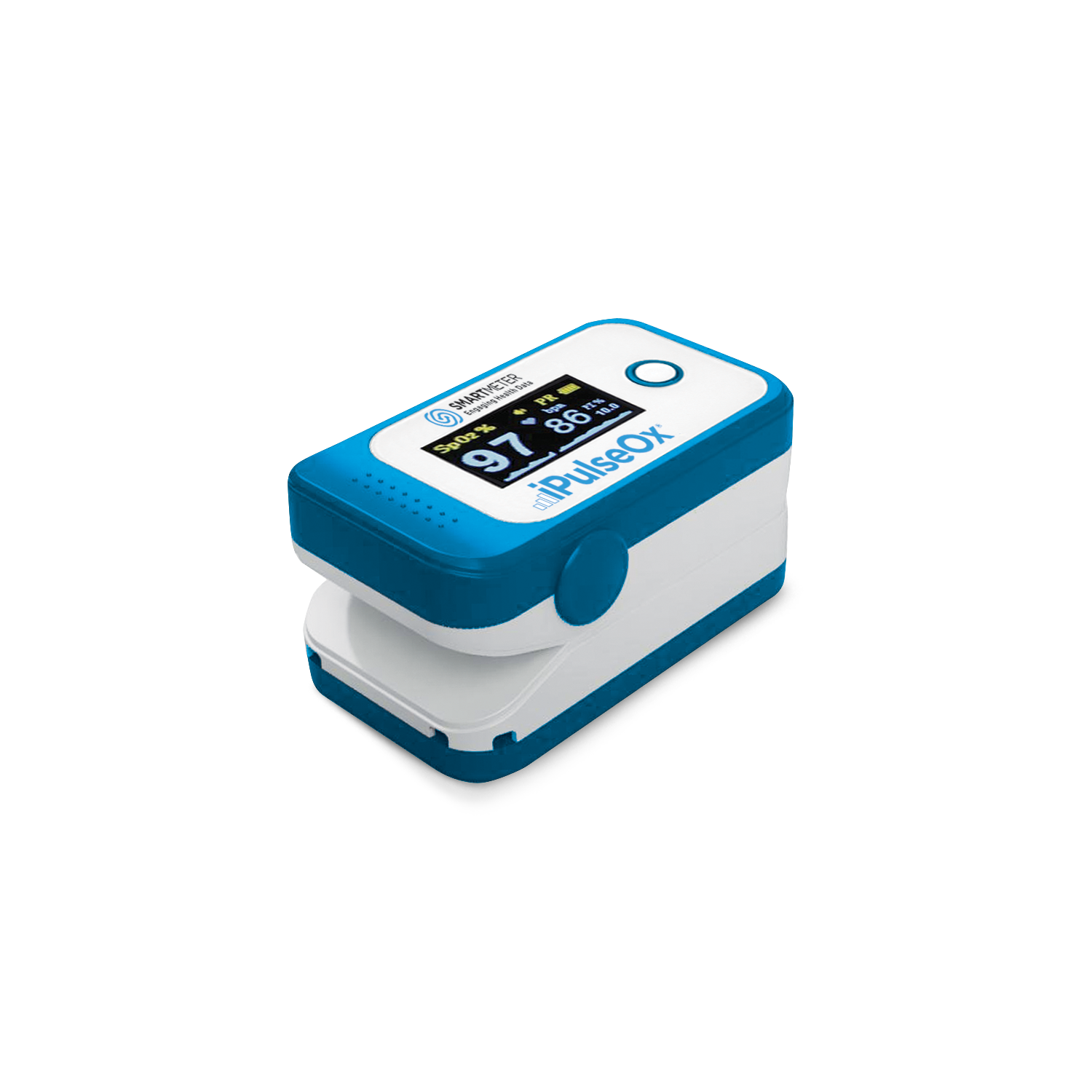
The patient clips it on a fingertip; SpO2 and pulse read in seconds on a clear color display.
Transmit
The reading sends automatically over the cellular network. No app, no WiFi, no Bluetooth pairing.
Review
SpO2 lands in your EHR; a low reading routes to the clinician's queue, and monitoring time is logged for billing.
When oxygen is the early signal
For respiratory and cardiac conditions, a falling SpO2 can flag trouble before symptoms set in. The same cellular oximeter supports condition-specific thresholds and escalation.
COPD
Catch desaturation trends that precede an exacerbation — the leading remote-oximetry use case.
Heart failure
Pair SpO2 with weight and blood pressure for a fuller picture of cardiac status at home.
Post-discharge
Watch respiratory recovery through the transition home, when readmission risk is highest.
Respiratory recovery
Track oxygen levels after COVID, pneumonia, or other acute respiratory illness.
Billing runs in the background
Remote pulse oximetry is reimbursable under the same RPM CPT codes as the rest of the portfolio. CareSimple tracks monitoring time and device-supply days automatically and maps them to the right codes, with threshold status visible per patient.
CareSimple today
Remote pulse oximetry: FAQ
- What is remote pulse oximetry?
- Remote pulse oximetry lets patients measure their blood-oxygen saturation (SpO2) and pulse at home on a connected oximeter that sends each reading to their care team automatically — for review, alerting on low readings, and billing — without an office visit.
- How does remote pulse oximetry help COPD patients?
- A drop in SpO2 can signal an exacerbation before a COPD patient feels short of breath. Regular cellular readings surface that trend and route an alert to the care team, so they can intervene early and reduce avoidable ED visits and admissions.
- Do patients need a smartphone, app, or WiFi?
- No. CareSimple’s pulse oximeter is cellular and pre-activated — the patient clips it on a fingertip and the SpO2 and pulse reading transmits on its own. No app, no WiFi, no Bluetooth pairing, nothing to set up.
- Which pulse oximeter does CareSimple offer?
- The iPulseOx — a cellular fingertip oximeter with a color OLED display, multi-carrier 4G LTE connectivity, SpO2 from 0–100% and pulse from 25–250 bpm, shipped with a carrying case and lanyard.
- Is remote pulse oximetry covered by Medicare?
- Yes. Remote pulse oximetry is reimbursable under the RPM CPT codes (99453, 99454, 99457, 99458). CareSimple tracks monitoring time and device-supply days automatically so the activity is documented for the revenue cycle.
- Who is remote pulse oximetry for?
- Programs managing COPD, heart failure, and post-discharge respiratory recovery — including post-COVID and post-pneumonia — at health systems, physician groups, payers, and research programs.
Add pulse oximetry to your program
We'll fit cellular oximetry into your respiratory and cardiac care plans — and set up the logistics, EHR integration, and billing behind it.